Carpet Cleaning
 Upholstery Cleaning
 End Of Tenancy Cleaning
 Domestic Cleaning
 House Cleaning
 Office Cleaning


Ravenscourt Park upholstery cleaning guide for local homes
Posted on 06/06/2026
Ravenscourt Park Upholstery Cleaning Guide for Local Homes
If your sofa is looking a bit tired, your dining chairs have picked up daily grime, or that one cushion somehow smells like yesterday's takeaway, you are in the right place. This Ravenscourt Park upholstery cleaning guide for local homes walks you through what works, what to avoid, and how to keep your furniture looking and feeling fresher for longer. It is written for real households, not showroom-perfect interiors, because let's face it, most homes in and around Ravenscourt Park are lived in properly.
Whether you are dealing with pet hair, coffee marks, school-run chaos, or just the dulling effect of everyday life, upholstery care is one of those jobs that quietly makes a huge difference. Done well, it helps protect fabric, improve indoor freshness, and extend the life of the furniture you already own. Done badly, it can leave rings, shrinking, colour loss, or that slightly soggy smell nobody wants in the lounge.
In this guide, you will learn how professional upholstery cleaning works, how to choose the right method for different fabrics, what a sensible maintenance routine looks like, and when it makes sense to bring in help. If you want broader home-care context too, you may find the advice in our domestic cleaning services and house cleaning support pages useful as well.
Why Ravenscourt Park upholstery cleaning guide for local homes Matters
Upholstery is one of the hardest-working parts of a home. Sofas, armchairs, ottomans, footstools, headboards, and dining chairs all gather dust, body oils, crumbs, pet dander, and the occasional mystery stain. Around Ravenscourt Park, where many homes balance busy family routines, guests, and compact living spaces, furniture often does double duty. One sofa might be for lounging, working, eating, and hosting all in the same week. No wonder it starts to look a little flat.
Regular upholstery cleaning matters because dirt does not just sit on the surface. It works its way into fibres and padding, where it can make fabrics look dull and feel less comfortable. Over time, that build-up can also affect how a room smells. A clean sofa changes the whole feel of the space. You notice it as soon as you sit down.
For local homes, there is another practical point: fabric choices vary widely. Older homes may have inherited furniture with delicate natural fibres, while newer flats often use blended fabrics, textured weaves, or stain-resistant finishes. Each behaves differently. A good cleaning approach should respect the fabric rather than bully it. That is where local know-how helps. Ravenscourt Park households do not need generic advice; they need something grounded, careful, and realistic.
There is also the value side. Replacing a quality sofa or set of dining chairs is expensive, and often unnecessary if the upholstery is cleaned properly. In many cases, a thorough clean restores a lot more than people expect. Not brand-new, obviously. But often pleasantly close. And that can be enough to make a room feel pulled together again.
Expert summary: upholstery cleaning is not just cosmetic. It supports fabric longevity, improves home freshness, and helps prevent stains and grime from becoming permanent. The best results usually come from matching the cleaning method to the fabric, the soil level, and the age of the furniture.
How Ravenscourt Park upholstery cleaning guide for local homes Works
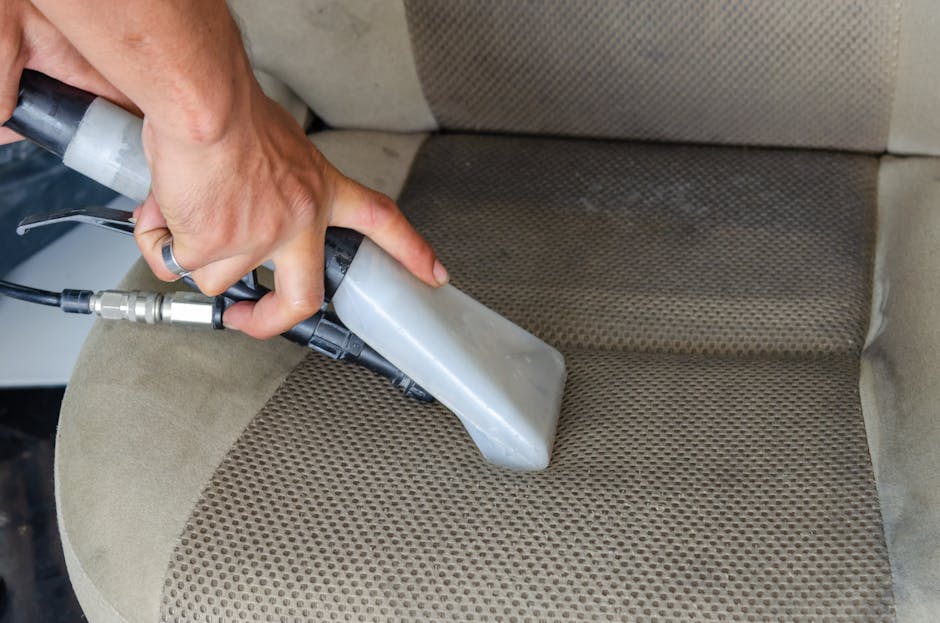
At a practical level, upholstery cleaning follows a simple idea: remove loose dirt, treat marks carefully, clean the fabric in a way it can safely handle, then dry it properly. The details are where things get interesting.
Most cleaning starts with inspection. A trained cleaner will look at the fabric type, construction, condition, and any visible wear. This matters because what is safe for a synthetic sofa might be risky for wool, silk, velvet, or a mixed natural weave. Then comes testing. A small hidden patch is checked to see how the fabric reacts to moisture or cleaning solution. That little step can save a lot of grief later.
After that, dry soil is removed with vacuuming and agitation. This is a bigger deal than people think. If dust and crumbs remain trapped in the fibres, they can turn into muddy residue during wet cleaning. It is a bit like trying to mop a floor without sweeping first. You can do it, but why make life harder?
From there, the cleaning method is chosen. Some fabrics are suitable for hot water extraction, sometimes called steam cleaning even though it is not true steam in the dramatic sense. Others are better suited to low-moisture techniques, foam cleaning, encapsulation, or specialist solvent-based treatment. The right choice depends on the material, the stain type, the filling, and how much drying time the household can manage.
Drying is the part people underestimate most. Good airflow, sensible room temperature, and avoiding over-wetting all matter. If upholstery stays damp too long, it can smell musty or develop tide marks. In a London home, especially in cooler months, that is a real concern. The quickest-looking job is not always the safest one.
If you are comparing what a general home clean includes versus specialist fabric care, the broader services overview can help you see how upholstery fits into a larger domestic cleaning plan.
Key Benefits and Practical Advantages
The obvious benefit is a cleaner-looking sofa or chair, but the real value goes a little deeper. Upholstery cleaning can freshen a room without replacing anything, and that is often the smartest move for local homeowners who want the biggest improvement for the least disruption.
- Improved appearance: colours look brighter, fibres lift, and the furniture no longer seems greyed out by daily use.
- Better indoor freshness: cleaning helps reduce trapped odours from food, pets, spills, and everyday living.
- Longer fabric life: when dirt is removed before it becomes abrasive, the fabric tends to wear more slowly.
- More comfortable living spaces: upholstery often feels softer and less sticky after a proper clean.
- Better impression for guests: a fresh sofa can change the feel of an entire room in a way paint touch-ups cannot.
- Reduced stress around stains: when you know how to react quickly, small accidents feel less like disasters.
There is also a psychological benefit, and I know that sounds a touch grand, but it is true. A clean, fresh sofa makes the home feel more looked after. That matters after a long workday or on a rainy Sunday when the flat feels a bit closed in. It is one of those small wins that quietly improves the week.
For landlords, homeowners preparing to sell, or tenants at the end of a tenancy, upholstery care can also support a better overall presentation. If you are thinking in that direction, it may be worth reading the related end of tenancy cleaning guidance and the practical points shared in our home purchase guide for Hammersmith.
Who This Is For and When It Makes Sense
This guide is for anyone in Ravenscourt Park or nearby who wants their upholstery to last longer and look better. That includes homeowners, tenants, landlords, and people who simply care about keeping the home pleasant without constantly replacing furniture.
It makes particular sense if any of the following sound familiar:
- You have children, pets, or frequent visitors.
- Your sofa has seen one too many snack sessions.
- You have moved into a property with inherited furniture.
- You are preparing for guests, photos, or a sale.
- Your dining chairs collect everyday marks from hands, food, and fabrics rubbing together.
- You notice stale smells or a slightly flat appearance even after vacuuming.
It is also useful if you are trying to decide whether to clean or replace furniture. Sometimes people assume a tired-looking sofa is finished. Not always. If the frame is sound and the fabric is suitable for treatment, a good clean can give it a very decent second life. Truth be told, that is often the sweet spot: practical, sensible, not wasteful.
On the other hand, if the fabric is badly sun-faded, torn, or structurally damaged, cleaning will not work miracles. It can improve the surface, but it will not rebuild worn-out padding or repair a rip. A useful guide should say that plainly, not pretend otherwise.
If you are also comparing home-care options across the property, our house cleaning page and upholstery cleaning service information may help you decide what level of support you need.
Step-by-Step Guidance
Here is a practical way to approach upholstery cleaning at home or when preparing for a professional visit.
- Identify the fabric. Check any care label, manufacturer guidance, or visible fabric tag. If you cannot find one, treat the piece as delicate until proven otherwise.
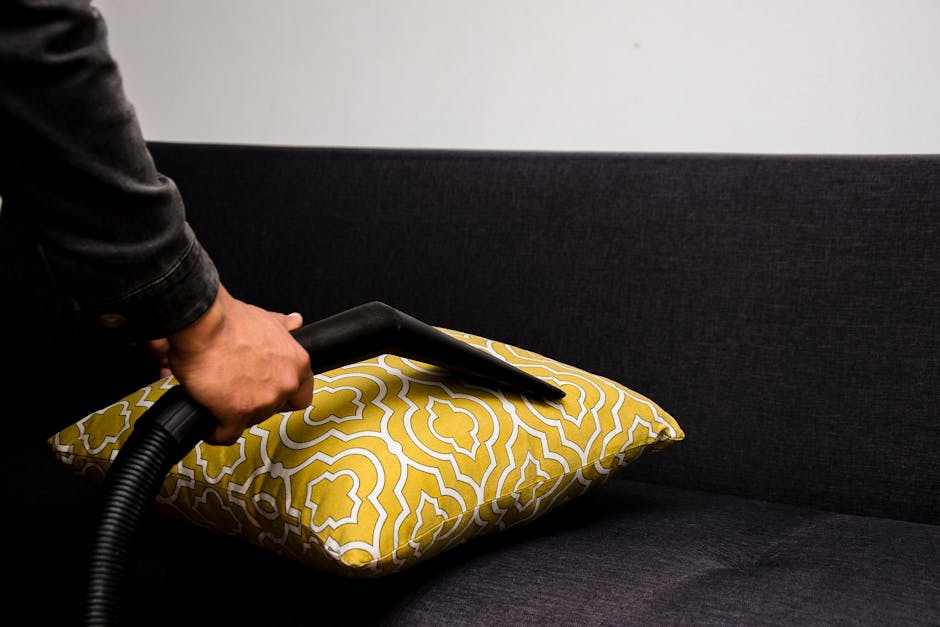
- Vacuum thoroughly. Use a soft brush attachment and go slowly, including seams, piping, and under cushions. This is where crumbs and pet hair hide.
- Spot-test any product. Try it on a hidden area first. Wait long enough to see if the colour changes or the pile flattens.
- Treat stains by type. Grease, wine, mud, and ink all behave differently. Dab, do not scrub. Scrubbing just makes the mess larger, which is annoyingly efficient.
- Use the right amount of moisture. Over-wetting can leave marks and long drying times. A lightly damp approach is usually safer than soaking.
- Work from clean to dirty. This avoids spreading grime across the whole piece.
- Dry properly. Open windows if weather and security allow, increase airflow, and keep cushions separated so they do not trap moisture.
- Reassess after drying. Some marks only show once the fabric is fully dry. If needed, repeat carefully or call in a specialist.
One practical tip that saves a lot of hassle: remove scatter cushions and seat covers before you start, if they are designed to come off. Clean them separately and let them dry fully before refitting. A half-damp cushion cover is the sort of thing that can make a perfectly good clean feel a bit off.
Another useful habit is to clean sooner rather than later. Fresh marks are usually easier to deal with than old set-in ones. You do not need to panic over every spill, of course. But leaving a stain to "see what happens" is rarely a winning strategy.
Expert Tips for Better Results
Some upholstery problems are surprisingly preventable. In our experience, a bit of routine care makes professional cleaning more effective when you do need it.
- Vacuum weekly if possible. Not a heroic deep clean, just a steady reset.
- Rotate cushions. This helps avoid uneven wear and those dented seat shapes that appear by the TV spot first.
- Keep food and drinks off delicate pieces. Sensible, yes, but we all know how a biscuit and a sofa can become best friends.
- Blot spills immediately. Use clean, white absorbent cloths and work gently from the outside in.
- Use protection wisely. Fabric protectors can help on some materials, but they are not a licence to be careless.
- Mind the sunlight. Direct sun can fade fabrics over time, especially near bay windows and bright living rooms.
- Watch humidity. In damp weather, allow extra drying time and avoid sealing cushions back in too early.
A less obvious tip: do not assume every stain is a stain. Sometimes a patch is actually wear, fibre distortion, or residue from an old cleaner. Treating the wrong problem can make the area look even stranger. A quick inspection before you start saves a lot of guesswork.
If you want a cleaner home overall, upholstery care works even better when paired with a sensible domestic routine. The same tidy flow that keeps a kitchen fresh often helps lounges stay fresher too. There is no magic here, just consistency.
Common Mistakes to Avoid
The biggest upholstery cleaning mistakes are usually the simplest ones. Fast hands, too much product, too much water, or too much confidence. That last one catches people out more than they admit.
- Using the wrong cleaner for the fabric. A product that works on one sofa can damage another.
- Scrubbing hard at a stain. This can roughen fibres and push the mark deeper.
- Skipping the patch test. Small effort, big protection.
- Over-wetting cushions. Deep moisture can linger inside padding long after the surface feels dry.
- Drying too slowly. Poor airflow can leave odour or faint water lines.
- Mixing products. That can create residue or unpredictable reactions. Best not to improvise like a kitchen chemist.
- Ignoring the care label. It is there for a reason, even if it is tiny and slightly annoying.
Another common issue is trying to make a sofa look perfect by overcleaning it. A very clean piece with flattened pile, pale patches, or edge wear can sometimes look more obviously "worked on" than a gently maintained one. Less drama is usually better.
If the furniture is expensive, antique, or made from delicate fabric, caution should win. There is no shame in pausing and getting advice before you pour anything on it. Quite the opposite, really.
Tools, Resources and Recommendations
You do not need a cupboard full of specialist gear to keep upholstery in good shape. A few reliable tools go a long way.
| Tool or item | What it helps with | Practical note |
|---|---|---|
| Vacuum with soft brush attachment | Removing dust, crumbs, hair, and dry soil | Use gently on seams and textured fabric |
| Microfibre cloths | Blotting spills and controlled wiping | Keep several clean cloths ready |
| Soft upholstery brush | Lifting debris from woven fabric | Good for regular maintenance |
| Clean white towels | Absorbing moisture during spot treatment | Useful for stains and drying support |
| Fabric-safe cleaner | Targeted stain treatment | Always patch-test first |
| Fan or open-window airflow | Drying after cleaning | Helps reduce damp smells and slow drying |
For many households, the smartest move is not buying a lot more products. It is using the right few items consistently. Too many sprays often means confusion and residue. Honestly, nobody needs a six-bottle "system" for the sofa.
When furniture is highly valued, awkwardly shaped, or made from a fragile material, a professional assessment is often more useful than another round of DIY. That can be especially true for velvet, mixed fibres, or older pieces with unknown history.
For local households comparing professional options, it can help to look at the wider context too. The company's pricing and quotes information, customer reviews, and about us page are all sensible places to start before booking anything.
Law, Compliance, Standards, or Best Practice
For upholstery cleaning in local homes, the main compliance concern is not usually a special legal rule about sofas. It is more about safe working, proper handling of chemicals, and respecting the fabric manufacturer's care guidance. In normal domestic settings, best practice matters more than dramatic claims.
In the UK, cleaning products should be used according to their instructions, and any contractor working in your home should take care with ventilation, electrical safety, and the risk of over-wetting surfaces. If a cleaner is using stronger products, they should know how to handle them safely and explain any drying time or aftercare clearly. That is just good practice.
If you live in rented accommodation, upholstery care can also matter during check-out inspections. A reasonable standard is expected: clean, tidy, and free from avoidable staining or damage. That does not mean everything has to look brand new. It does mean it should be properly maintained. If you are preparing for a move, the end of tenancy cleaning service page is worth a look alongside your own cleaning plan.
Safety and trust also matter when anyone works in your home. You may want to check how a company approaches protection of property, insurance, complaints, and payment security before inviting them in. Those details are not glamorous, but they are reassuring. A sensible business should be open about them.
For transparency and peace of mind, you can also review the site's insurance and safety information, payment and security details, and complaints procedure. That kind of background check is not overkill; it is simply careful buying.
Options, Methods, or Comparison Table
Different upholstery methods suit different situations. The best choice depends on fabric, stain type, time, and risk tolerance. Here is a straightforward comparison.
| Method | Best for | Pros | Watch-outs |
|---|---|---|---|
| Vacuum and spot clean | Light upkeep and fresh spills | Quick, low risk, inexpensive | Won't deeply clean embedded soil |
| Foam or low-moisture cleaning | Delicate or water-sensitive fabrics | Reduced drying time, gentler on some textiles | May need more precise product choice |
| Hot water extraction | Durable synthetic upholstery and general deep cleaning | Good soil removal, strong refresh | Can over-wet if done carelessly |
| Solvent-based specialist cleaning | Specific delicate fabrics or oil-based stains | Useful where water is unsuitable | Requires expertise and good ventilation |
There is no universal winner. People often ask for "the best" method, but the real answer is the one that suits the fabric and the condition of the furniture. A safe clean is better than an aggressive one. Every time.
If you are unsure, it may be better to get a quick professional opinion before choosing a method. That is especially true if the piece is expensive, sentimental, or has no visible care label. Those are the jobs where caution pays for itself.
Case Study or Real-World Example
Picture a typical Ravenscourt Park living room on a weekday evening. The family sofa has light spill marks from coffee, pet hair tucked into the seams, and a few dull patches where the cushions are always sat on by the same person. Nothing dramatic. Just life, really.
The homeowner starts by vacuuming slowly with a soft brush attachment, then checks the care label. It suggests a water-safe synthetic blend, so a small hidden area is tested first. No colour change. Good sign. A diluted fabric-safe cleaner is applied lightly to the armrest marks, then blotted, not scrubbed. After that, the cushions are left out to dry with the windows open for airflow.
By the next day, the sofa looks brighter and feels less sticky. The coffee marks are much lighter, the pile stands up better, and the room smells fresher. Not showroom perfect, no. But noticeably more comfortable. The best part is that the fabric did not need heavy intervention, just a sensible, measured clean.
That is often how upholstery cleaning works in practice. The result is usually a series of small improvements rather than one dramatic reveal. And oddly enough, that feels more satisfying. More believable, too.
Practical Checklist
Use this checklist before you start cleaning upholstery at home or before booking a professional clean.
- Identify the fabric type and look for a care label.
- Vacuum all cushions, seams, and hidden areas first.
- Test any cleaner on a hidden patch.
- Match the product to the stain and fabric.
- Use as little moisture as possible while still cleaning effectively.
- Blot stains gently instead of scrubbing.
- Allow for proper drying time and ventilation.
- Keep children and pets away from damp furniture.
- Check the piece again once fully dry.
- Decide whether the furniture is a DIY job or a specialist job.
Quick rule of thumb: if the fabric is delicate, the stain is old, the smell is persistent, or the furniture is valuable, treat it as a specialist clean rather than a casual weekend task.
Conclusion
Good upholstery cleaning is part care, part judgement. Around Ravenscourt Park, where homes are often busy, compact, and properly lived in, the goal is not perfection. It is freshness, comfort, and furniture that lasts longer than the latest trend.
If you remember only one thing from this Ravenscourt Park upholstery cleaning guide for local homes, make it this: know your fabric, avoid over-wetting, and act early on stains. Those three habits prevent most of the avoidable problems. The rest is just steady maintenance and a bit of patience.
And if the job feels too delicate, too large, or too time-sensitive, that is perfectly normal. Some pieces just deserve a more careful hand. Better to pause and do it properly than rush and regret it later. A tidy sofa can make the whole room breathe a bit easier, and that is no small thing.
If you are comparing your options or want to understand how this fits into a broader home-cleaning plan, the team pages on professional upholstery care and related carpet cleaning support are useful next steps.
Get a free quote today and see how much you can save.