End of tenancy cleaning King Street Hammersmith landlord tips

If you let property near King Street in Hammersmith, you already know the awkward bit isn't always the move-out itself. It's the inspection. A flat can look "fine" to a hurried eye, then suddenly every skirting board, extractor fan and oven rack becomes a talking point. These end of tenancy cleaning King Street Hammersmith landlord tips are here to make that handover calmer, cleaner, and much less argumentative.
Whether you manage one flat or a small portfolio, the goal is simple: protect the property, reduce disputes, and make the next tenancy start well. In practice, that means knowing what matters most, what tenants often miss, and where a proper deep clean saves time later. Let's face it, nobody wants to spend Tuesday morning chasing sticky cupboards and mystery marks after keys have been handed over.
Why End of tenancy cleaning King Street Hammersmith landlord tips Matters
End of tenancy cleaning is more than a "nice to have" at the end of a tenancy. For landlords, it is often the difference between a tidy re-let and a property that needs a second round of attention before viewings even begin. In a busy area like King Street, where tenant turnover can happen quickly, a poor clean creates a knock-on effect: delays, complaints, and avoidable wear becoming harder to spot.
The biggest issue is rarely dirt on its own. It is uncertainty. Was that stain already there? Did the tenants clean the oven properly? Is the carpet just worn, or does it need stain removal? A thorough final clean gives you a clear baseline, which is invaluable when checking inventory photos and making decisions about maintenance.
There is also a trust angle. Good landlords do not want to look punitive, and tenants do not want to feel ambushed. Clear expectations and a sensible cleaning standard help both sides. When the process is handled well, you avoid that familiar end-of-tenancy tension where everyone is tired and slightly emotional. It happens. More often than people admit.
Key takeaway: the better the end-of-tenancy clean, the easier it is to document condition, hand over the property, and start the next tenancy without friction.
How End of tenancy cleaning King Street Hammersmith landlord tips Works
In practical terms, end of tenancy cleaning is a targeted, top-to-bottom clean that prepares a property for inspection, re-marketing, or new occupancy. For landlords, the process should follow the property's condition report and focus on hygiene, presentation, and the areas that typically trigger disputes.
A good clean usually covers kitchens, bathrooms, floors, carpets, internal glass, appliances, fixtures, and the spaces people forget until they are staring at them in daylight. You know the kind of thing: the top of a tall cupboard, the grease line behind the hob, the limescale around taps, the dusty tracks on windows.
Some landlords handle a light refresh in-house and then bring in professionals for specialist work such as end of tenancy cleaning, oven cleaning, carpet cleaning, or window cleaning. That layered approach often makes sense because it keeps the handover efficient without paying for work that is not needed.
In properties with harder-to-maintain finishes, it may also be worth considering hard floor cleaning, upholstery cleaning, or even steam carpet cleaning where fabrics need a deeper reset. The aim is not to make the property look like it has never been lived in. It is to get it back to a clean, market-ready condition.
Key Benefits and Practical Advantages
A proper end-of-tenancy clean gives landlords a few very real advantages, and not just the obvious visual ones.
- Fewer disputes: Clear cleaning standards reduce arguments over deposit deductions and "what counts as clean enough".
- Faster re-let: A fresh, well-kept property photographs better and feels more inviting during viewings.
- Better maintenance visibility: Dirt can hide damage. Once a space is clean, leaks, cracks and wear become easier to see.
- Stronger tenant experience: A clean handover reflects well on the landlord and the next tenant starts on a better footing.
- Less time lost: You spend less energy arranging repeat visits, chasing cleaners, or dealing with awkward callbacks.
There is also a quieter benefit: confidence. When you know the property has been properly prepared, you are less likely to second-guess every tiny mark. That matters when you are juggling keys, contractors, and a diary that is already too full.
If your property has carpets, curtains or soft furnishings that hold odours, consider whether a specialist service is justified. A tenancy that involved pets, heavy cooking, or smoking-adjacent smells may benefit from pet stain odour removal, curtain cleaning, or sofa cleaning. It is not glamorous work. But it is the kind that makes a place feel properly reset.
Who This Is For and When It Makes Sense
This guidance is for landlords, letting agents, and property managers in King Street and the wider Hammersmith area who want a reliable, practical approach to end-of-tenancy cleaning. It is especially useful if you manage:
- a furnished flat with carpets and soft furnishings;
- a family rental where kitchens and bathrooms take a battering;
- a short-let property that needs quick turnaround cleaning;
- a home with previous pet occupancy;
- a property where the inventory is detailed and condition checks are strict.
It also makes sense if you are stepping in after tenants have already left and you can see the job is bigger than a quick wipe. If the cooker is grimy, the grout is dull, or the hallway carpet has a few "character marks", a professional deep clean often saves more time than it costs in stress.
For landlords who already use routine upkeep, services such as regular cleaning or one-off cleaning can help keep properties in better shape between tenancies. That said, the final move-out clean has its own standard. It is not the same thing as a normal weekly tidy, and tenants sometimes underestimate that.
Step-by-Step Guidance
Here is a practical process you can use before and after a tenancy ends. No drama. Just a clean sequence that works.
- Review the inventory first. Compare the current condition with the entry report. This tells you where cleaning is needed and where maintenance may be the real issue.
- Walk the property in daylight if possible. Morning light shows marks, dust and streaking better than artificial light. You will spot things you might otherwise miss.
- Separate cleaning from repairs. A broken blind or damaged seal is not a cleaning issue. Do not bundle everything together, or the plan gets muddled fast.
- Start with the kitchen. Tackle the oven, hob, extractor, fridge, cupboards, bins and splashbacks. Kitchen grease spreads everywhere. It always does.
- Move to bathrooms. Remove limescale, clean grout, polish fittings, and check around taps, toilet bases and shower screens.
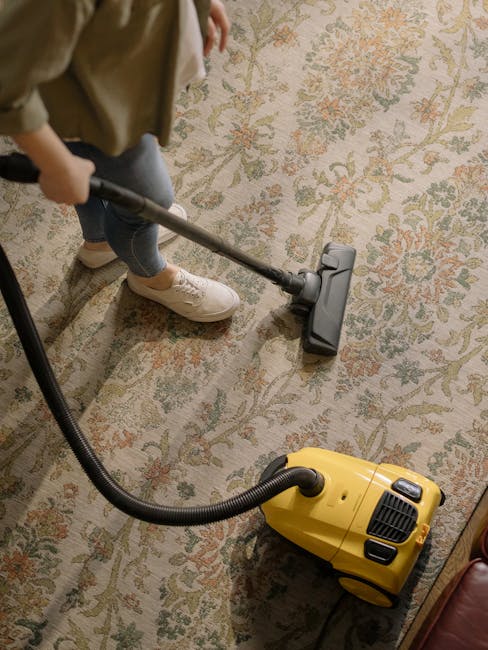
- Handle floors and fabrics. Vacuum thoroughly, then treat carpets, rugs, sofas and mattresses as needed. If there are heavy stains or pet odours, bring in specialist support such as mattress cleaning or rug cleaning.
- Finish with glass and detail work. Wipe switches, handles, skirting boards, internal windows, sills and radiators. These are the small things that make a place feel genuinely clean.
- Document the final condition. Take date-stamped photos after the clean. Keep them with the inventory and checkout notes.
If the property includes external or shared features, do not forget them. Communal entrances, hallway touchpoints, or exterior finishes may need attention too. A cleaner flat can still look tired if the entryway is neglected, so communal area cleaning may be worth considering where relevant.
And one small but useful point: leave the toughest jobs for last only if they require drying time, such as carpet or upholstery cleaning. Otherwise you may end up cleaning around damp patches. A bit annoying, frankly.
Expert Tips for Better Results
The best landlord results usually come from the details, not from wildly more effort. A few simple habits make a noticeable difference.
1. Set expectations before the tenancy ends
Good tenants are often willing to clean properly, but they need to know what "properly" means. Share a practical checklist rather than a vague request to "leave it clean". That phrase does a lot of heavy lifting and not much else.
2. Prioritise the high-impact rooms
Kitchens and bathrooms do most of the reputational damage when they are neglected. A sparkling living room helps, but if the oven is smoking and the sink smells odd, the overall impression falls apart.
3. Use specialist cleaning where it counts
Some tasks are worth outsourcing because they need equipment, experience, or simply more time than a routine visit allows. Examples include oven cleaning, steam carpet cleaning, and stain removal.
4. Check the property after cleaning, not during
It sounds obvious, but it's easy to miss. Let surfaces dry, then inspect them properly. A wet worktop or freshly steamed carpet can make things look cleaner than they are.
5. Keep a calm paper trail
Photos, tenancy notes, and the checkout report do more to prevent disputes than a long argument ever will. If you need to justify a decision later, neat records are far more persuasive than memory.
In our experience, the landlords who stay the most relaxed are the ones who treat the final clean as part of the process, not as a last-minute rescue mission. That mindset changes everything.
Common Mistakes to Avoid
Most end-of-tenancy headaches come from a surprisingly small set of mistakes.
- Confusing cleaning with damage: A burnt mark or chip is not solved by scrubbing harder.
- Skipping the less visible areas: Tops of cupboards, behind appliances, extractor fans and radiator edges get overlooked all the time.
- Relying on a quick surface clean: Things may look acceptable at first glance, then fail on closer inspection.
- Not accounting for pet use: Fur, odour and embedded staining need more than a standard vacuum.
- Leaving carpets to the last minute: Damp carpets can delay sign-off and create that "why does this still smell?" moment.
- Forgetting exterior windows or hard floors: These areas can change the feel of the whole property.
One common mistake that deserves a mention: assuming tenants will clean to landlord standards without any guidance. Sometimes they do. Often, they don't quite. And to be fair, their definition of "clean" may be very different from yours.
Tools, Resources and Recommendations
You do not need a warehouse of equipment to manage a good final clean, but you do need the right basics. For landlord use, the following usually covers most situations:
- microfibre cloths for dusting and polishing;
- neutral cleaning solutions for everyday surfaces;
- limescale remover for taps, shower screens and sinks;
- heavy-duty degreaser for kitchen surfaces and extractor areas;
- vacuum with upholstery and crevice tools;
- mop and bucket for hard floors;
- scrapers or non-abrasive pads for stubborn residue;
- protective gloves and clear waste bags.
For more complex jobs, landlords often save time by combining services rather than trying to manage everything separately. A property that needs soft furnishing refreshes may benefit from upholstery cleaning, while a place with tired internal glass can benefit from window cleaning. If you are preparing several units between tenancies, services like move out cleaning can be a sensible fit.
On the business side, it helps to work with clear pricing, clear service notes, and proper insurance. You can review service information, company background, and practical policies through pages like pricing and quotes, insurance and safety, and about us. If you want to get in touch directly, the website also provides a straightforward contact option. No mystery there.
Law, Compliance, Standards, or Best Practice
For UK landlords, it is wise to keep the legal and practical side separate. Cleaning itself is usually about tenancy agreement terms, inventory evidence, and the general expectation that the property is returned in the same condition as at the start, allowing for fair wear and tear. That said, the exact wording and responsibilities can depend on the tenancy agreement and the facts of the case.
In plain English, that means two things matter most:
- Document everything: initial inventory, check-in photos, interim notes, checkout report, and final photos.
- Be reasonable: distinguish genuine cleaning issues from normal wear and tear, age, or damage.
It is also sensible to follow normal health and safety practice when arranging or carrying out cleaning. That includes safe use of chemicals, adequate ventilation, and care around wet floors. If you are using contractors, check that their safety approach is documented and that they can explain how they handle risks. A tidy job that creates a slip hazard is not really tidy at all.
For landlords who want to keep things transparent, clear service terms help. Pages such as terms and conditions, privacy policy, and payment and security support the trust side of the experience, especially when there are multiple people involved in the handover.
Options, Methods, or Comparison Table
Landlords usually end up choosing one of three approaches. Each has a place.
| Option | Best for | Pros | Watch-outs |
|---|---|---|---|
| Landlord-led cleaning | Small jobs and light turnover | Low direct cost, fast to organise | Time-consuming, easy to miss detail work |
| Tenant-led cleaning with checklist | Good-quality tenants and low-risk properties | Encourages accountability, often cost-effective | Results vary if standards are unclear |
| Professional end-of-tenancy clean | Most furnished homes, busy handovers, stubborn dirt | Consistent finish, specialist equipment, less landlord stress | Higher upfront spend, needs scheduling |
If you are deciding between a basic clean and a deeper reset, think about the property's current state, how quickly it must be re-let, and whether specialist treatment is needed. A place with heavily used carpets and a tired kitchen usually benefits from the professional route. A lightly used property may not need the same level of intervention.
In a real world sense, the deciding question is simple: will a quick tidy genuinely protect the property and satisfy the next inspection, or are you just hoping nobody notices? That little self-check saves a lot of hassle.
Case Study or Real-World Example
A landlord managing a two-bedroom flat off King Street had a standard move-out on paper, but the reality was messier. The kitchen had grease on the extractor hood, the oven door had baked-on residue, one bedroom carpet carried a faint pet smell, and the bathroom taps had visible limescale. Nothing catastrophic. Just enough to make the place feel tired.
Instead of trying to fix everything with a quick wipe, the landlord split the job into layers. The kitchen got a deep clean, the oven was professionally handled, the carpet was steam cleaned, and the remaining surfaces were finished carefully. The result was not show-home perfection, and it did not need to be. The flat simply felt fresh, neutral, and ready for photographs and viewings.
The useful part was not just the cleanliness. It was the documentation. After the clean, the landlord had clear photos showing the state of the carpet, bathroom, and appliances. That gave a much cleaner basis for the handover discussion and reduced the usual back-and-forth. Not flashy. Just effective.
Practical Checklist
Use this checklist before final sign-off. It is simple, but honestly, it catches a lot.
- Kitchen surfaces wiped and degreased
- Oven, hob and extractor cleaned
- Fridge, freezer and cupboards emptied and cleaned
- Bathrooms descaled and disinfected
- Toilets, sinks, taps and shower screens polished
- All floors vacuumed or mopped
- Carpets treated or professionally cleaned if needed
- Skirting boards, switches and handles wiped
- Internal windows, mirrors and sills cleaned
- Soft furnishings checked for stains and odours
- Waste removed from the property
- Final photos taken in good light
- Inventory and checkout notes updated
If the property includes mixed surfaces or heavier wear, add specialist services where needed. For example, domestic cleaning may work for broader day-to-day upkeep, while deep cleaning or move in cleaning can be useful when the next tenancy starts quickly after the previous one ends.
Conclusion
The best end-of-tenancy results are rarely about heroics. They come from clear standards, sensible scheduling, and knowing which jobs deserve specialist attention. For landlords on King Street and across Hammersmith, that means treating cleaning as part of the property lifecycle, not a last-minute scramble.
Keep the inventory close, inspect in good light, separate repair issues from cleaning issues, and use professional support where it truly adds value. Do that, and the handover becomes smoother, the next tenancy starts better, and you spend less time dealing with avoidable friction. Which is the whole point, really.
Get a free quote today and see how much you can save.
When the final clean is done well, you feel it straight away. The rooms are quieter, the air feels fresher, and the property is ready for its next chapter. That is a good feeling to leave behind.
Frequently Asked Questions
What should a landlord expect from end of tenancy cleaning?
A landlord should expect a thorough clean that leaves the property ready for inspection and re-letting. That usually includes kitchens, bathrooms, floors, fixtures, appliances, and any problem areas noted in the inventory. It is not the same as a quick surface tidy.
Do tenants have to deep clean before moving out?
In most tenancies, tenants are expected to return the property in the same condition as at the start, allowing for fair wear and tear. Whether that means a full deep clean depends on the tenancy agreement and the property's condition. Clear expectations matter a lot here.
How do I know if I need professional cleaning or can do it myself?
If the property is lightly used and you have time, a landlord-led clean may be enough. If there are carpets, soft furnishings, oven grease, pet odours, or a tight turnaround, professional cleaning is usually the safer choice. It reduces the risk of missing important detail.
Is carpet cleaning worth it at the end of a tenancy?
Yes, especially if the carpet shows wear, visible staining, or odour. Clean carpets improve first impressions quickly and can make the whole property feel fresher. In some homes, carpet treatment is one of the most noticeable upgrades you can make.
What areas do landlords often forget to check?
Commonly missed areas include the tops of cupboards, extractor fans, skirting boards, inside windows, radiators, door handles, and behind appliances. These are small details, but they can influence how "finished" the property feels during checkout.
Can a landlord charge for cleaning after the tenant leaves?
That depends on the tenancy agreement, the property's condition, and whether there is evidence that the property was not returned in the agreed condition. It is best to rely on the inventory, photos, and checkout notes rather than assumptions.
How long does end of tenancy cleaning usually take?
It varies by property size, condition, and whether specialist services are needed. A small, tidy flat may only take a few hours, while a larger or heavily used property can take much longer. Kitchens and bathrooms usually take the longest.
What if the tenant has left stains or pet smells?
Then you may need specialist treatment rather than standard cleaning. Stain removal, odour treatment, upholstery care, or carpet cleaning can help restore the property properly. Treating the smell only with air freshener, well, that usually doesn't fool anyone for long.
Should landlords clean between every tenancy?
Yes, some level of cleaning is sensible between tenancies even if the previous tenant left the place tidy. It helps reset the home, supports inspections, and gives the next tenant a clean start. That can also reduce complaints later.
What documents should I keep after the clean?
Keep the inventory, checkout report, before-and-after photos, and any contractor notes or receipts. Good records are extremely helpful if there is a deposit discussion or a question about the condition of the property later.
What is the best way to avoid cleaning disputes?
The best way is to be clear from the start. Use a detailed inventory, communicate expectations before move-out, and inspect the property fairly. Clean thoroughly, document the result, and keep the conversation factual rather than emotional.
Where can I find more information about services and policies?
You can review service pages and business information such as end of tenancy cleaning, pricing and quotes, and insurance and safety to understand what is offered and how the process is handled.